
R22 and the Refrigerant Phase Out
The gas in an older system often decides whether it is worth fixing at all.
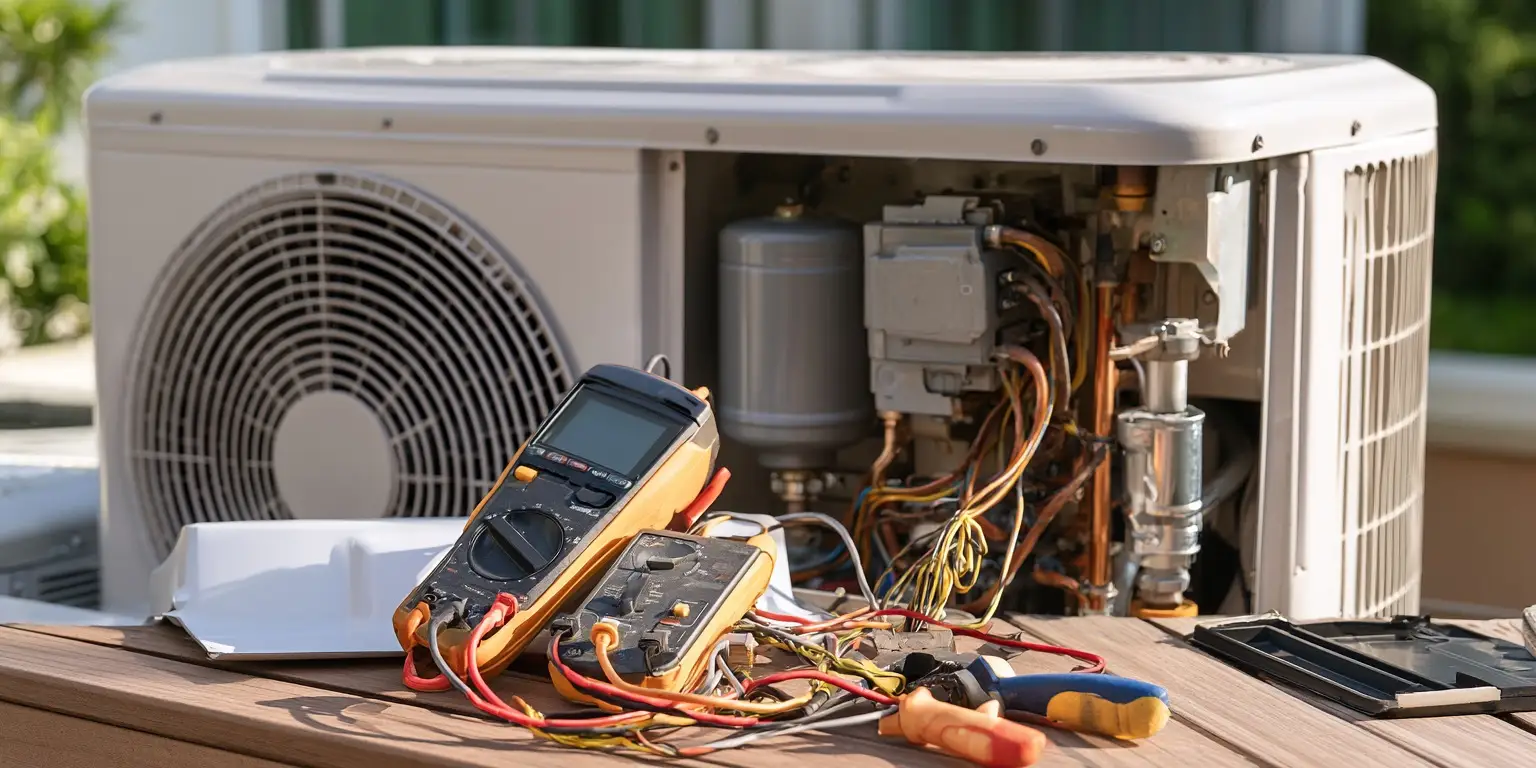
The nameplate tells you more than the age does
There is a label on the outdoor unit that states the refrigerant type and the factory charge weight. On an older system that single line frequently determines whether a repair makes any sense, and it is worth finding before you spend money on a diagnosis.
Three refrigerants cover almost everything installed in Cairns homes. R22 in older systems, R410A through the middle period, and R32 in most current equipment. They are not interchangeable. They run at different pressures and use different compressor oils, so a system cannot simply be filled with a newer gas because the old one is hard to get.
| R22 | R410A | R32 | |
|---|---|---|---|
| Type | HCFC | HFC | HFC |
| Roughly when it was fitted | Older systems | The middle period | Most current equipment |
| Import status in Australia | Phased out, no new import | Being phased down on quota | Current |
| Where a charge comes from | Recovered and reclaimed stock only | Normal supply, price trending up | Normal supply |
| Damages the ozone layer | Yes | No | No |
| Global warming potential | High | High | Roughly a third of R410A |
| Flammability class | Non flammable | Non flammable | Mildly flammable |
| Design consequence | Repairs are expensive and uncertain | None day to day | Minimum room area for a given charge |
| Worth a sealed system repair | Rarely | Usually | Usually |
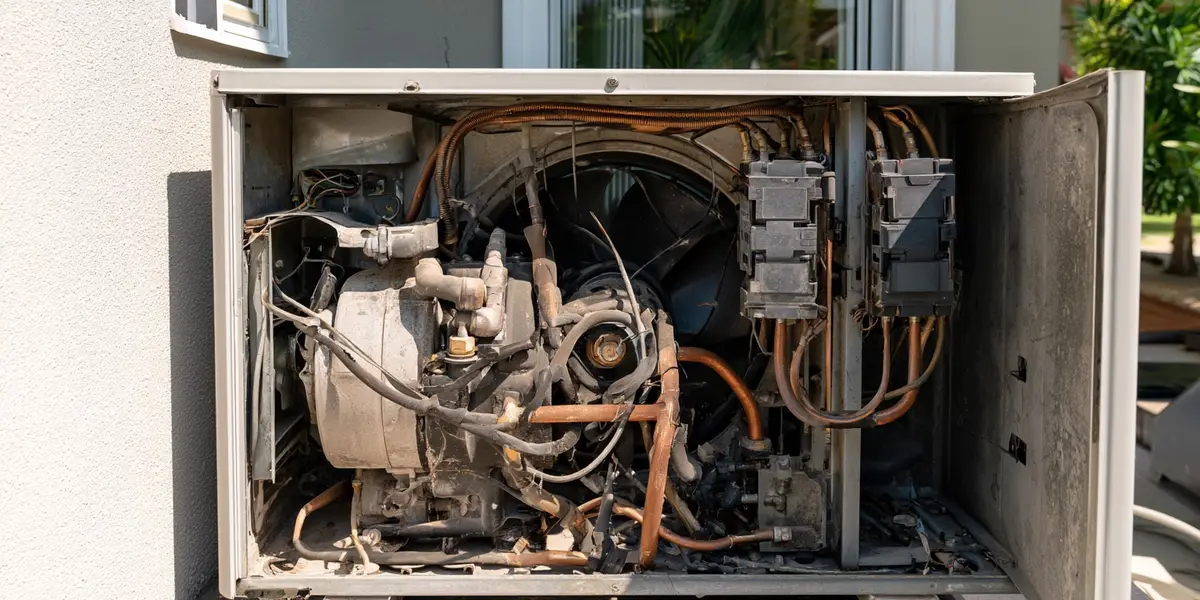
R22 is effectively gone
R22 is an HCFC and Australia phased out its import under the ozone protection legislation, with the quota for bulk import reduced to nothing. Nothing new comes into the country. Servicing an R22 system now depends on refrigerant recovered from other systems and reclaimed, which means supply is limited and the price reflects that.
Practically, if you have an R22 system with a leak you are looking at an old machine, an expensive charge, and no guarantee the same gas will be obtainable next time. Retrofitting to a drop in replacement gas exists as an option but involves oil compatibility issues and generally a capacity penalty, and on a unit of that age it is money spent to extend something already near the end.
R410A is being phased down, and R32 is why
R410A was the replacement for R22 and it does not damage the ozone layer. It is, however, a potent greenhouse gas, and Australia is running an HFC phase down that steps import quotas progressively lower over time. That does not make R410A illegal or unobtainable, and systems using it will be serviceable for years. It does mean the trend on price is upward rather than downward.
R32 is where most new equipment has landed. It has roughly a third of the global warming potential of R410A and it is more efficient to move heat with, so less of it is needed for the same capacity. The trade off is that R32 is classified mildly flammable, which sounds alarming and is not, but it does carry real installation consequences: there are minimum room area requirements for a given charge size under the appliance safety standard, which is a genuine design consideration for a large unit in a small bedroom.
What a leak on an old system actually means
This matters more than the phase out itself. A sealed refrigeration circuit does not consume refrigerant. If a system is low, there is a leak, and adding gas without finding it means the same gas ends up in the atmosphere and you pay for it twice. Venting refrigerant deliberately is prohibited, and handling it at all requires a refrigerant handling licence.
So the sequence on an older unit is leak test first, then a decision:
- Read the nameplate for the refrigerant type and the factory charge weight
- Pressure test and leak trace to find where it is actually going
- Locate the leak: a flare, a service valve, a line set, or a coil
- Price the repair against the age of the machine and the gas it runs
- Only then decide whether to charge it
If the leak is at a flare or a service valve on an R410A or R32 system, that is repairable and worth doing. If it is in an indoor coil on an R22 system, the honest answer is usually that the machine has told you it is finished.
If you want the leak found rather than the gas topped up, that is what air conditioning regas in Cairns covers, and it starts with a test. Call 0489 266 523 with the refrigerant type off the label if you want a straight answer first.
-
What Size Air Conditioner Do I Need
Why oversizing is the most common and most expensive sizing mistake in the tropics.
-
Cyclone Rated Air Conditioner Installation
A bracket is only ever as strong as whatever it is bolted into.
-
Salt Air and Air Conditioners
A corroded coil stops transferring heat long before the unit stops running.
Ask for a price
You get a straight answer about what the job needs, including when it does not need us.
- Hours
- Weekdays 7 until 5, Saturday mornings
- Area
- Cairns, the beaches, and south to the Cassowary Coast
- Quotes
- In writing, itemised, no obligation
- We ask what the rooms are doing before we quote a size, not after.
- The quote covers the mount, the line set, the electrical and the make good, so there are no line items appearing on install day.
- Written, itemised, and yours to compare against anyone else's.