
Mould in an Air Conditioner Through the Wet Season
The smell comes from the blower wheel, which is the one part a filter clean never reaches.
That smell in the first thirty seconds
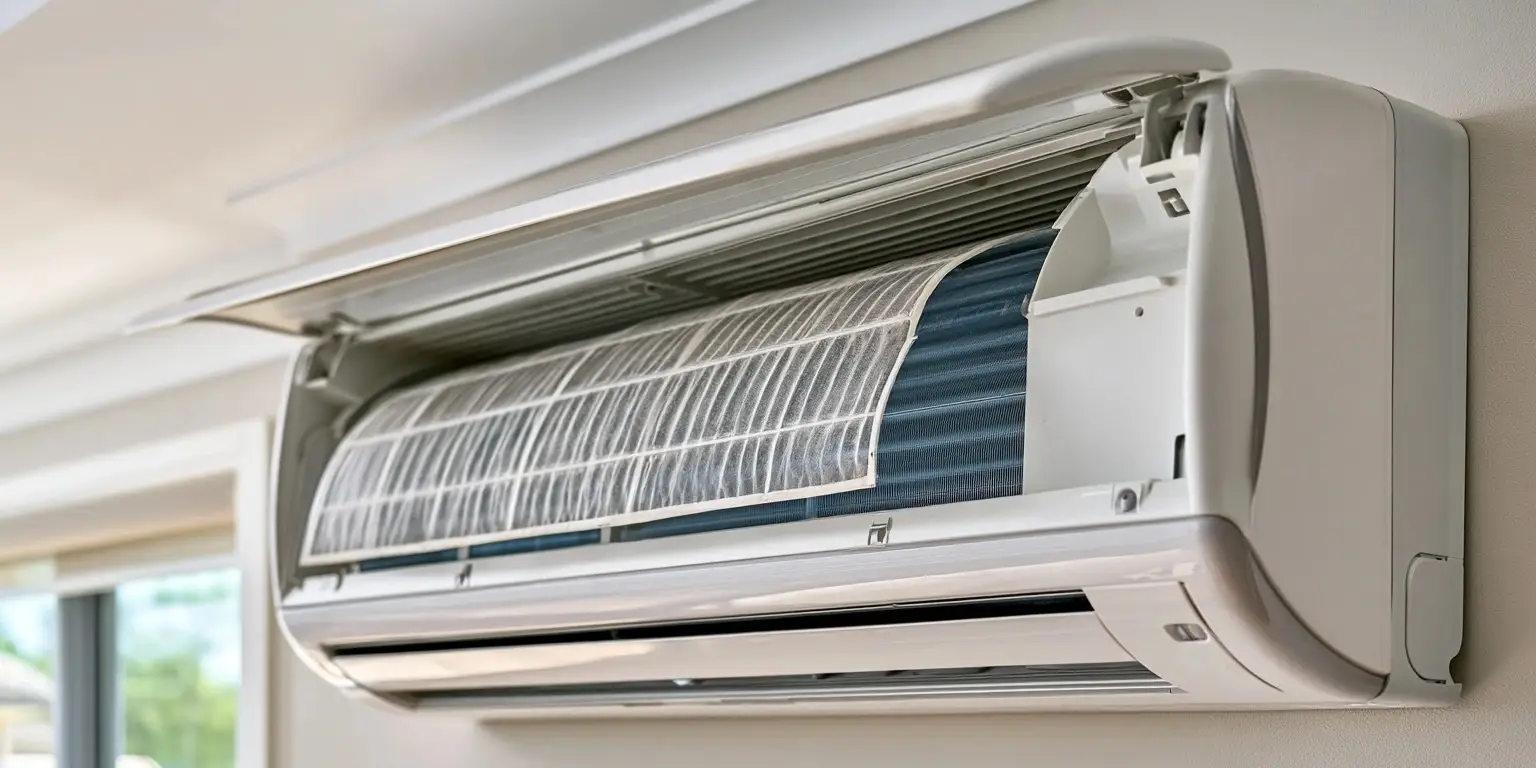
You turn the unit on and there is a damp, earthy smell for the first half minute before it fades. Everyone in Cairns knows it. It is not the filter, and it is usually not the room.
It is the blower. Behind the filter and the evaporator coil sits a long cylindrical fan, the barrel or tangential fan, and its blades are exactly the kind of surface mould likes: permanently damp, dark, in still air whenever the unit is off, and coated in the fine dust that gets past a filter. Biofilm builds in the slots between the blades. When the fan starts, the first air through the unit carries the smell, and spores, straight into the room.
Why it happens so much faster here
A split system in cooling mode is a dehumidifier that happens to make a room cold. The evaporator coil runs below the dew point, so water condenses on it continuously. In a Cairns wet season, with outdoor humidity sitting high day and night, that coil is soaked whenever the unit runs and stays damp for a long time after it stops.
Add ambient temperatures that never really drop, organic dust in the air, and in some suburbs cane ash or coastal salt, and you have close to ideal growing conditions inside the indoor unit for months at a stretch. This is not a sign that anyone did anything wrong. It is what this climate does to a wet surface.
What a real clean removes, and what a wipe down does not
Pulling the front cover off, washing the two mesh filters in the laundry sink and wiping the visible louvre is worth doing monthly through the wet. It is not a clean. It reaches none of the places the growth actually is.
A proper clean means the coil face and the blower wheel are physically cleaned, which involves bagging the indoor unit, applying a coil appropriate chemical, and rinsing the coil and the fan under low pressure so the residue leaves the building rather than being redistributed through it. On badly affected units the blower is removed and cleaned separately. The drain pan and the drain line are flushed at the same time, since that is where everything washed off ends up.
Spraying a supermarket aerosol into the vents is the thing to avoid. It deodorises the smell for a fortnight, adds a sticky residue to a coil that is already collecting dust, and leaves the fan untouched.
| What gets done | Filter wash at home | Proper clean |
|---|---|---|
| Mesh filters | Yes | Yes |
| Visible louvre and front cover | Wiped | Cleaned |
| Evaporator coil face | No | Chemically cleaned and rinsed |
| Blower wheel, where the smell lives | No | Cleaned in place, or removed on bad units |
| Drain pan | No | Flushed |
| Drain line | No | Flushed and flow tested |
| Unit bagged so residue leaves the building | No | Yes |
| How long the smell stays away | Days | A season or more |
Drainage is half of the problem
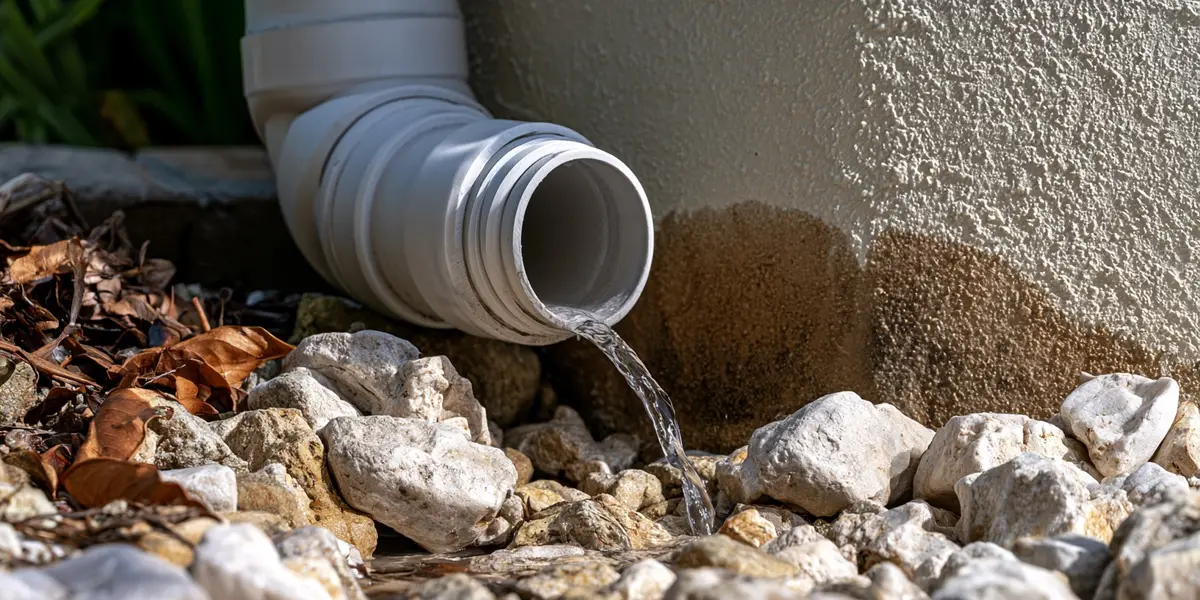
Condensate has to get out of the building. The drain leaves the indoor unit at a slight fall and runs to a suitable point, and if that line is partially blocked by the same biofilm, water backs up in the pan. A pan holding standing water becomes the reservoir that keeps the whole unit inoculated, and eventually it overflows down the wall, which is when most people finally call. That is the point it stops being a clean and becomes an air conditioner leaking water, where the fix is the drain rather than the coil.
A few habits between cleans make a real difference:
- Run fan only, or the dry or self clean function if the unit has one, for fifteen minutes at the end of a cooling session so the coil dries rather than sitting wet
- Wash the filters monthly through the wet, and let them dry fully before they go back in
- Do not set the temperature lower than you need, because a colder coil is a wetter coil
- Watch the drain outlet outside occasionally, since a line that has stopped dripping while the unit is cooling is a line that is blocking
- Keep furniture and curtains clear of the indoor unit so air can return to it
- Book the clean before the wet, not after the smell arrives
If it already smells, it is past the point a filter wash will fix. See what air conditioning cleaning in Cairns covers, or call 0489 266 523.
-
What Size Air Conditioner Do I Need
Why oversizing is the most common and most expensive sizing mistake in the tropics.
-
Cyclone Rated Air Conditioner Installation
A bracket is only ever as strong as whatever it is bolted into.
-
Salt Air and Air Conditioners
A corroded coil stops transferring heat long before the unit stops running.
Ask for a price
You get a straight answer about what the job needs, including when it does not need us.
- Hours
- Weekdays 7 until 5, Saturday mornings
- Area
- Cairns, the beaches, and south to the Cassowary Coast
- Quotes
- In writing, itemised, no obligation
- We ask what the rooms are doing before we quote a size, not after.
- The quote covers the mount, the line set, the electrical and the make good, so there are no line items appearing on install day.
- Written, itemised, and yours to compare against anyone else's.